Why Local Energy Monitoring Smart Plugs Are Essential in 2026
Bottom Line Up Front (BLUF): Using a smart plug with energy monitoring no subscription device is the easiest, most affordable way to track appliance power usage and eliminate vampire energy waste in 2026. By leveraging native Matter over Thread protocols, these compact plugs deliver real-time wattage tracking and automated scheduling directly to your local smart home hub with zero cloud fees.
With electric utility rates continuing to rise across North America, identifying energy-hungry household appliances has become a top priority for homeowners. Traditional power meters required clunky handheld displays or forced users to pay monthly software fees just to view historic usage charts.
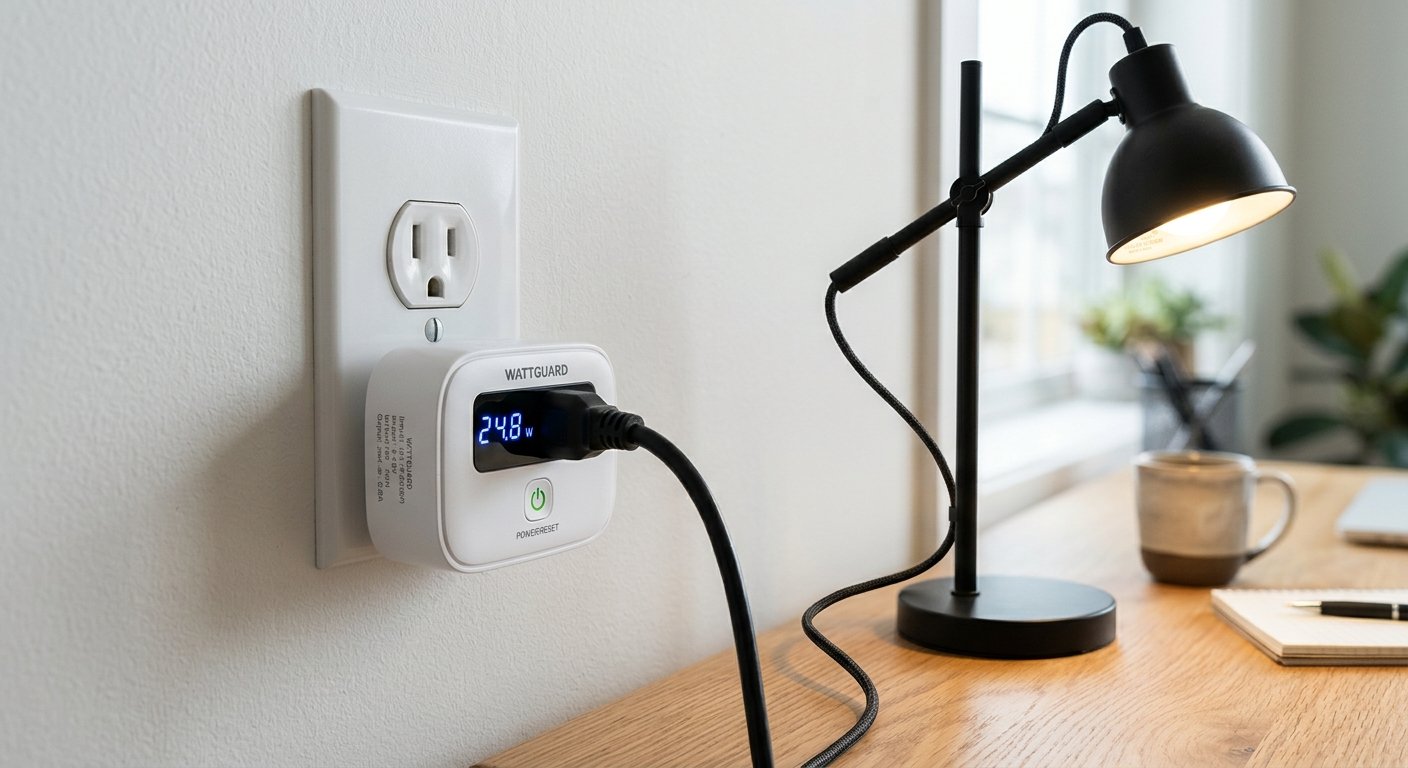
A modern smart plug with energy monitoring no subscription model solves this completely. Equipped with high-precision metering microchips and local networking, these plugs report real-time voltage, amperage, and total kilowatt-hour (kWh) metrics straight to your smartphone or local hub—100% free of cloud subscriptions.
Table of Contents
ToggleKey Benefits of Subscription-Free Smart Plugs
- Phantom Load Elimination: Uncover hidden “vampire” power drain from idle gaming rigs, entertainment centers, and secondary refrigerators running 24/7.
- Overload Protection & Auto Cutoff: Automatically shut down power to connected appliances if voltage spikes or current exceeds safety thresholds.
- Instant Local Automation: Use power draw triggers (e.g., “When TV power draw drops below 5W → Turn off ambient lights”) with sub-100ms local response times.
- Compact Space-Saving Form Factors: Modern miniaturized designs fit neatly into wall receptacles without blocking adjacent electrical outlets.
3 Features to Check Before Buying a Smart Plug
1. High Precision Energy Metering IC
Ensure the smart plug features a dedicated energy metering chip capable of high-frequency polling. This allows you to log granular wattage fluctuations down to the decimal point for accurate cost calculations.
2. Native Matter over Thread Protocol
Choosing a smart plug with energy monitoring no subscription device that supports Matter over Thread guarantees local mesh connectivity. Your energy telemetry routes locally across Apple Home, Google Home, SmartThings, and Home Assistant without cloud lag.
3. Amperage & Relay Capacity Rating
Check the plug’s maximum load rating. Standard 15A plugs handle up to 1800W for everyday electronics, while heavy-duty 20A relays are required for space heaters, window AC units, or sump pumps.
Comparison: Local Matter Smart Plug vs. Legacy Cloud Plug
| Hardware Feature | Matter Energy Plug (No Subscription) | Legacy Wi-Fi Cloud Plug |
|---|---|---|
| Data Telemetry | Local Real-Time (Thread / Zigbee) | Remote Cloud Server (Delayed) |
| Appliance Cost Tracking | Free Local History ($0/mo) | Often Paywalled behind Cloud Subscription |
| Offline Functionality | Schedules run offline without internet | Fails when internet connection drops |
| Multi-Ecosystem Sync | Simultaneous Apple, Google & Home Assistant | Single Proprietary App Only |
Building an Efficient, Subscription-Free Smart Home
Combining a smart plug with energy monitoring no subscription setup with whole-home energy monitors and local presence sensors allows you to create an intelligent, self-optimizing home environment. For more hardware reviews, setup tutorials, and subscription-free security guides, visit our home page at SystemForHome. To learn more about official energy-saving guidelines and appliance ratings, consult the official Energy Star Household Energy Saving Guide.
More Tips for Maximizing Energy Savings with Smart Plugs
To get the highest return on investment from your energy-monitoring smart plugs, implement these practical automation strategies:
- Set Dynamic Rate Schedules: If your utility company uses Time-of-Use (TOU) pricing, schedule high-draw appliances (like dehumidifiers or portable heaters) to run only during off-peak hours.
- Automate Coffee Makers & Charging Stations: Prevent battery degradation and unnecessary trickling power by automatically shutting off laptop and e-bike chargers after 2 hours.
- Monitor Appliance Health: Track your refrigerator or air conditioner baseline power draw over time; a sudden increase in continuous wattage often indicates dirty coils or failing components.
- Name Devices by Room & Circuit: Structure your smart plug naming convention in your app (e.g., “Office – Desk Setup Plug”) to make energy audits fast and straightforward.
How to Set Up Your Energy Monitoring Smart Plug in 4 Steps
- Plug Into Outlet: Insert the smart plug directly into a wall receptacle near the appliance you want to monitor.
- Scan Matter QR Code: Open your preferred smart home app (Apple Home, Google Home, or Home Assistant) and scan the Matter pairing code.
- Input Electricity Rate: Enter your local utility kilowatt-hour ($/kWh) rate in the companion app to generate real-time cost estimations.
- Configure Off-Peak Schedules: Set up automated turn-off timers or power threshold rules to eliminate idle standby power automatically.
Frequently Asked Questions
Can a smart plug lower my electric bill?
Yes. By identifying high-draw vampire electronics and automating off-peak schedules, homeowners typically cut 5% to 15% off their monthly power bills.
Do smart plugs retain their settings during a power outage?
Yes. Quality smart plugs feature non-volatile memory that restores their previous power state and saved schedules automatically once grid power is restored.
Final Verdict
Adding a smart plug with energy monitoring no subscription device to your home setup gives you complete visibility over your power consumption, instant local automation control, and zero monthly fees.